

Criminal Justice Courses · AI Homeland Security Professor
Why Are Cold Cases So Difficult to Solve?
Cold cases remain a haunting mystery in criminal justice. Explore the scientific, procedural, and technological reasons why these unsolved investigations are so difficult to crack long after the crime has occurred.
Stacks of aging case files represent the massive amount of manual work required to revitalize investigations that have sat dormant for decades.
2026-10-26
Short answer
Cold cases are difficult to solve primarily due to the degradation of physical evidence over time, the loss of reliable witness memories, and the natural attrition of potential suspects. When biological samples decompose or storage chains are compromised, the forensic window often closes, making it incredibly challenging to build a modern case.
Key facts
- Biological evidence can naturally degrade or lose integrity due to improper long-term storage conditions.
- Human memory is reconstructive, meaning testimony becomes less reliable as decades pass after an event.
- Modern forensic genetic genealogy allows for suspect identification via distant relatives in public databases.
- Digital evidence like GPS and surveillance footage is largely absent in pre-2000s criminal investigations.
- Artificial Intelligence helps organize and find patterns in thousands of pages of legacy case files.
Why does physical evidence degrade over time?
Physical evidence loses its integrity because biological material naturally decomposes and environmental factors compromise crime scene samples. Over several decades, DNA samples once thought to be robust may become contaminated by moisture, heat, or improper storage conditions, rendering them unusable for high-sensitivity testing methods that were not available at the time of the original investigation.
Beyond simple decay, the chain of custody for older evidence is often fragmented or poorly documented. In the mid-twentieth century, forensic protocols were not as standardized as they are today. Evidence bags may have been mishandled or cross-contaminated by staff before modern forensic science established stringent verification procedures. This lack of rigorous preservation means that even if a sample survives, it may be legally inadmissible in a contemporary court of law.
How does the passage of time affect eyewitness testimony?
Human memory is notoriously reconstructive rather than archival, meaning that every time a witness recalls an event, the memory is subject to alteration. After twenty or thirty years, the psychological impact of trauma, combined with the normal processes of cognitive decline, makes eyewitness accounts increasingly unreliable and prone to suggestibility.
Furthermore, the social landscape of the past often leaves investigators with fewer leads. Older crimes lack the digital footprint that modern investigators rely on, such as mobile phone geolocation, surveillance camera archives, or social media interactions. Without these electronic breadcrumbs, investigators are forced to rely solely on human sources whose allegiances and locations may have shifted significantly over the intervening decades.
Can modern technology revitalize old investigations?
Modern technology like forensic genetic genealogy and advanced AI pattern matching is breathing new life into cold cases by identifying suspects through distant familial links. These tools allow investigators to cross-reference limited or degraded DNA profiles against massive public databases to trace lineage, even when the primary perpetrator has never been in the system.
Artificial Intelligence is also being used to digitize and synthesize thousands of pages of handwritten police reports and case files that were previously scattered across different jurisdictional archives. By processing this massive volume of unstructured data, algorithms can identify connections, recurring names, or missed patterns that a human investigator might never have noticed. While technology is not a magic solution, it provides a powerful toolkit for re-examining the small, forgotten details that define a successful cold case resolution.

Feature 1
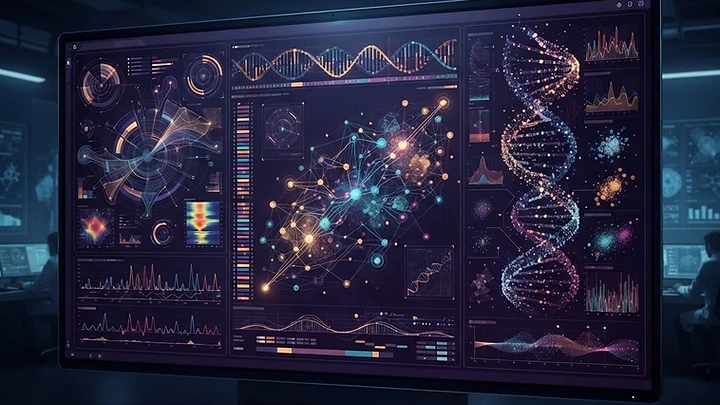
Master Modern Forensic Analysis Techniques
Understanding the science behind cold cases is a vital skill for any criminal justice professional. Our AI Homeland Security Professor course guides you through the latest technological shifts, ensuring you understand how algorithms and data analysis are changing investigative outcomes today. Stop relying on outdated methods and gain a competitive edge in your field of study with our expertly curated monthly lessons.
Join our criminal justice course
Feature 2
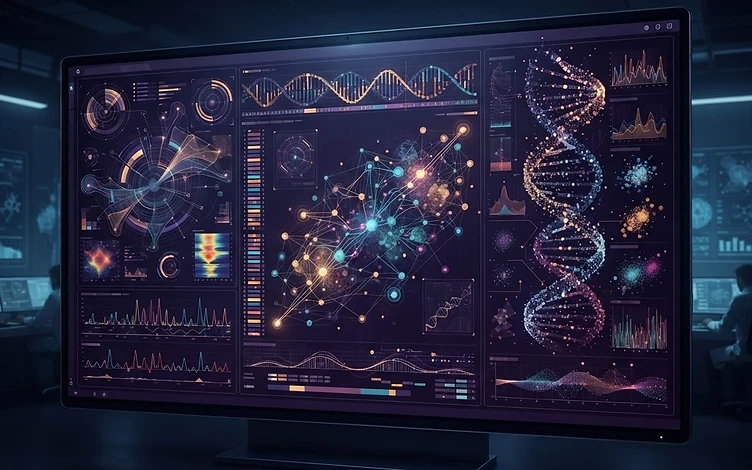
Explore Case Study Methodologies
Learning how to interpret past investigative failures and successes is essential. This course provides deep dives into case studies, teaching you how to apply contemporary logic to historic scenarios through the lens of AI-assisted research and ethical law enforcement standards.


Feature 3
Professional Development in Justice Studies
Stay ahead of the curve by mastering the tools used in modern security environments. With consistent, low-cost access to high-level content, you will gain the theoretical knowledge needed to excel in your career without the burden of expensive tuition costs.
Enroll in AI courses today
Frequently asked questions
- What is the primary factor that makes a case go cold?
- A case typically goes cold when investigators exhaust all available leads and physical evidence without successfully identifying a suspect. This usually happens when witnesses pass away, evidence becomes inconclusive, or technological limitations prevent further analysis.
- Are older DNA samples always useful for new testing?
- Not necessarily. While technology has advanced, if the original biological material was exposed to heat or bacteria during storage, the DNA strands may have shattered into pieces too small for even the most modern machines to sequence effectively.
- How do researchers learn to use AI in criminal justice?
- Researchers and students often enroll in specialized academic programs that teach the intersection of data science, law enforcement ethics, and forensic analytics. These courses focus on the practical application of algorithms to real-world criminal justice data sets.