Special Interest Courses · AI Feng Shui Professor
How Do I Master the Principles of Feng Shui for My Home or Office?
This guide explores the foundational principles of Feng Shui and how modern AI-adaptive technology helps learners master the art of space arrangement. Discover how to create balanced environments through structured, personalized learning paths designed for your unique living or work space.
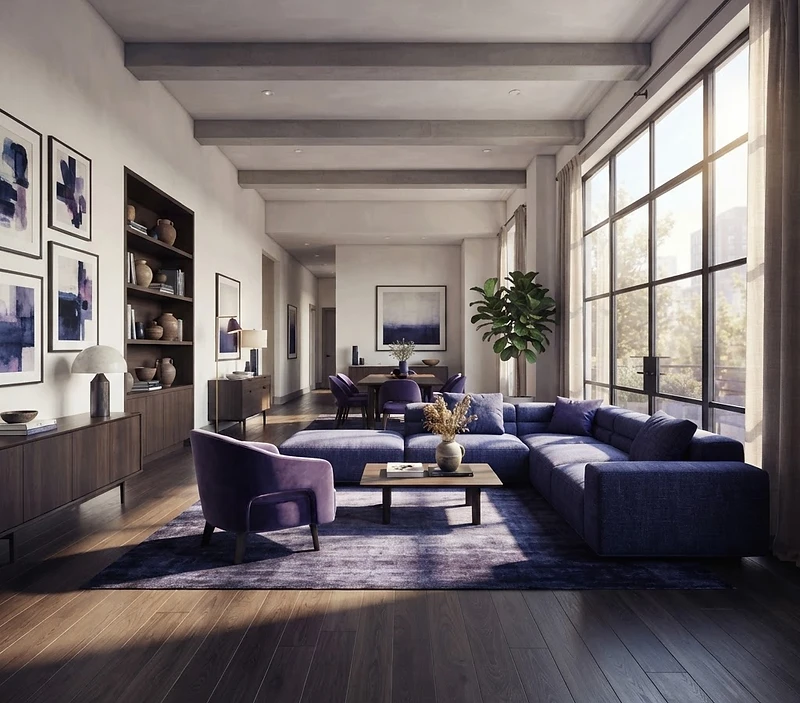
A balanced and intentional living space reflects the harmony created by applying proper Feng Shui principles to your daily environment.
Direct answer
You can master the art of Feng Shui by enrolling in the AI Feng Shui Professor course. Taught by an AI professor using AI-Adaptive Learning, the curriculum customizes lessons to your existing knowledge. Available 24/7 for only $5/month, this course helps you structure your environment for better energy flow.
What are the core principles of Feng Shui and how do they impact your living space?
Feng Shui is essentially the study of how the environment interacts with the people who inhabit it. The core principle involves balancing the flow of Qi, or life energy, to foster health, prosperity, and overall well-being. This requires understanding how to arrange furniture, choose colors, and position objects to align with the five elements: wood, fire, earth, metal, and water. When these elements are out of balance, a room may feel cramped, chaotic, or stagnant, which can subconsciously drain your focus and energy levels throughout the day.
To begin mastering these principles, one must look at the Bagua map, which acts as a guide to how different areas of your home or office relate to specific life aspirations like wealth, relationships, or career growth. By dividing a floor plan into these nine distinct sectors, you gain a framework for placing items intentionally. For example, placing a water feature in a northern sector is said to stimulate career flow, while ensuring clear walkways prevents "blocked energy" that hinders productivity.
Learning these concepts requires more than just memorizing rules; it requires practice and observation. The following key elements are essential starting points for any beginner seeking to harmonize their environment:
- The Command Position: Ensuring your bed or desk allows you to see the door without being directly in its path.
- De-cluttering: Removing physical barriers to encourage the natural circulation of fresh air and light.
- Elemental Balance: Using natural textures and shapes to represent the five elements within a specific room.
- Color Theory: Applying shades that correspond to the desired energy of a space, such as calming blues for a bedroom.
Applying these concepts in real-time allows you to transform a house into a sanctuary. When you start with a small corner of your office, you can observe how subtle shifts in furniture placement alter your mood. By treating your home as a living system, you move away from static interior design and toward a dynamic relationship with your physical surroundings that supports your long-term goals.
How does an AI-adaptive learning model make mastering Feng Shui easier?
Traditional learning methods in interior design or ancient arts often rely on static textbooks that force every student to follow the same rigid sequence. An AI-adaptive learning model changes this by continuously evaluating your current understanding and adjusting the difficulty and pacing of the lessons. If you already grasp the basics of the Bagua map, the AI professor will skip the remedial explanations and move directly to complex applications like flying star calculations or directional analysis. This ensures that every minute you spend studying is focused on filling your specific knowledge gaps.
This methodology is particularly effective for Feng Shui because the subject is deeply personal to each learner's unique home layout. Instead of reading about generic spaces, you can input details about your own room dimensions, window placements, and lighting conditions. The AI professor then provides feedback that is directly relevant to the architectural constraints of your specific space. This dynamic feedback loop transforms the learning process from a passive reading assignment into a practical home project.
You are not just learning theory; you are actively optimizing your living environment.
Furthermore, the system identifies common pitfalls that beginners often face when trying to apply ancient principles to modern, sometimes cramped, urban apartments. For instance, if you struggle with the concept of "poison arrows"—sharp corners pointing toward a seating area—the AI will recognize this difficulty and generate additional examples or visual guides to help you rectify the issue. This personalized attention creates a scaffolded learning experience where you build confidence in one concept before moving to the next.
Consider the following advantages of using an adaptive AI system for home design studies:
- Instant feedback on your proposed room layouts.
- Ability to toggle between beginner and advanced conceptual frameworks.
- Remedial content triggers when you miss quiz questions on specific principles.
- Targeted examples based on the room type you are currently optimizing.
By leveraging this technology, you avoid the frustration of feeling overwhelmed by information that does not apply to your current living situation. The AI essentially acts as a personal tutor who knows exactly which concepts you have mastered and which ones still require practice, keeping you motivated through steady progress.
Can I integrate Feng Shui principles into a modern professional office setting?
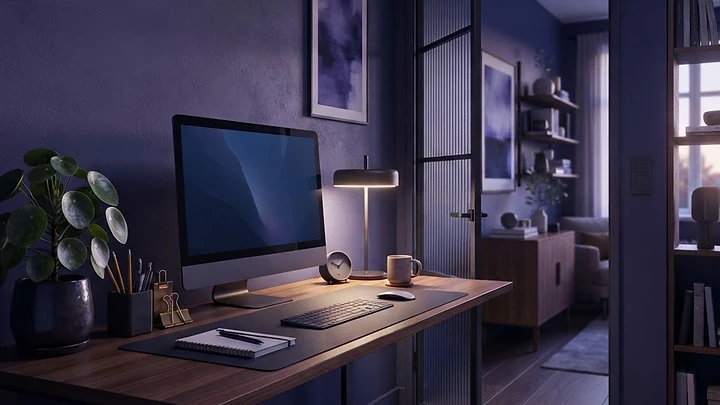
Yes, integrating Feng Shui into an office is highly encouraged as it serves to mitigate workplace stress and improve mental clarity. While offices are often designed for efficiency, the placement of a desk, the use of lighting, and the organization of digital and physical files all contribute to your overall focus. In a professional setting, the goal is often to create a space that promotes stability and authority, which are traditionally associated with the earth and metal elements.
One common challenge in offices is the lack of control over the architecture, such as being stuck in a cubicle with no windows. However, Feng Shui provides several workarounds for these limitations. For example, if you cannot move your desk to a command position, you can place a mirror or a reflective object on your desk to see what is happening behind you. This small, intentional change helps reduce the nervous energy associated with having your back to an entrance.
Additionally, managing digital clutter is a modern extension of the traditional practice; organizing your desktop icons and email folders can represent the same concept of clearing pathways for energy to flow.
To successfully implement these changes, you should focus on the following professional space improvements:
- Incorporate live plants to introduce the wood element and improve air quality.
- Use controlled lighting to reduce eye strain, which often signals a lack of vitality.
- Maintain a clean, organized desk surface to signify mental readiness and competence.
- Position your chair so that it faces the room entrance to increase your sense of security.
When you approach your office as an intentional space rather than just a place to sit, you find that your interactions with colleagues and your output quality often improve. It is about creating an environment that respects your need for deep work while keeping you engaged with the surrounding environment. The AI professor guides you through these nuances, providing specific strategies for shared workspaces, home offices, and remote setups. By applying these micro-adjustments, you can transform a sterile cubicle into an energized professional base that supports your career ambitions.
Why is a consistent, step-by-step approach better than binge-learning Feng Shui?
Binge-learning is a common trap in hobbyist studies, but it is rarely effective for subjects that require spatial application. When you try to consume all the information about Feng Shui in a weekend, you lose the ability to observe the effects of your changes over time. A consistent, step-by-step approach allows you to implement one change, observe how it affects your room's energy for a few days, and then decide on the next step. This iterative process is crucial for learning because it turns abstract concepts into real-world evidence.
Consistency also helps you avoid the common mistakes of over-decorating or misapplying symbols. It is easy to go out and buy a fountain or a specific crystal, but if it is placed in the wrong sector of the Bagua map, it may counteract the energy you are trying to cultivate. By following a structured, phased curriculum, you learn why certain placements work, which gives you the authority to make decisions in any home you move into in the future. You are essentially learning the 'language' of space rather than just following a set of static house rules.
This structured approach is why the $5/month model is so effective. By making the course affordable and accessible 24/7, you can dedicate 15 minutes a day to learning a specific concept and applying it. This 'micro-learning' habit is far superior to binge-watching content because it integrates seamlessly into your daily routine. You develop a rhythm where learning becomes a natural part of maintaining your home, similar to cleaning or gardening.
Consider the benefits of this methodical growth over time:
- You avoid burnout and decision fatigue by tackling one room at a time.
- Each lesson builds on the previous one, ensuring a logical progression of skills.
- You observe the long-term impact of environmental changes on your productivity and stress.
- You develop the critical thinking skills needed to handle unique architectural challenges.
Ultimately, mastering Feng Shui is a journey of refinement. By moving through the course in a measured, deliberate way, you ensure that the skills you acquire become second nature. You move from being someone who follows tips to someone who truly understands the logic behind space, energy, and harmony, which provides lasting value for every home you occupy throughout your life.

By the numbers
The picture at a glance.
Learning Progress Indicators
Consistent study habits lead to higher retention of complex spatial design principles compared to irregular, intensive study sessions.
Student Satisfaction Metrics
Learners report significantly higher satisfaction levels when using AI-Adaptive systems that tailor the difficulty of the course to their current expertise.
Side by side
How the options compare.
Learning Approach Comparison
| Feature | AI Professor | Live Tutor | Static Textbook |
|---|---|---|---|
| Cost | $5/month | $50+/hour | $30 one-time |
| Availability | 24/7 | Scheduled | Always |
| Adaptivity | Real-time | Human-led | None |
| Feedback Speed | Instant | Delayed | N/A |
Spatial Design Methodologies
| Method | Complexity | Time Required | Outcome |
|---|---|---|---|
| DIY Trial & Error | Low | High | Uncertain |
| AI-Adaptive Guided | Medium | Low | Optimized |
| Professional Consultation | High | High | Excellent |
The data
What the numbers look like.
Learning Retention Rates
Retention rates increase significantly when learners engage in adaptive, step-by-step practice rather than intense, infrequent study sessions.
Retention Percent
Cost Efficiency of Study Models
Comparing the monthly cost of various learning pathways illustrates the affordability and accessibility of AI-taught courses.
USD per month
Enrol
Start today.
AI Feng Shui Professor is taught by an AI professor that adapts to what you already know, available 24/7, from $5/month.